
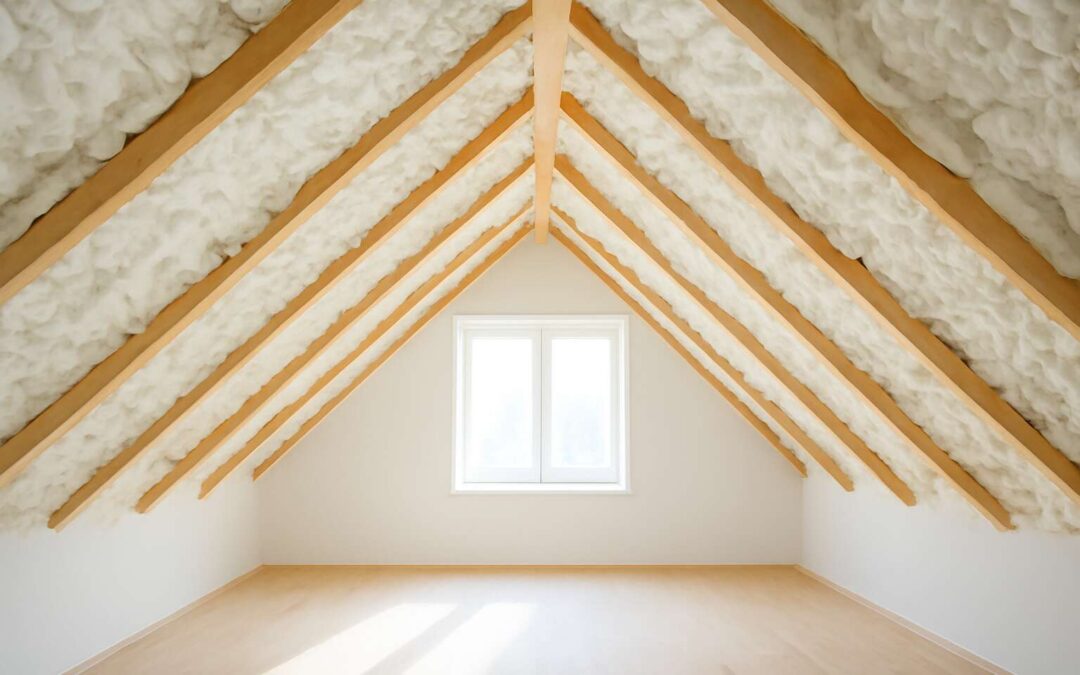
Understanding Foam Ceiling Insulation
What is foam ceiling insulation and how it works
From the hush of a South African evening to the brightness of a sunlit morning, warmth should feel effortless. In many SA homes, up to 30% of heat escapes through ceilings. Foam ceiling insulation has a way of trapping heat where it belongs, trimming energy loss and turning drafty rooms into havens of steady, intimate comfort.
Sprayed polyurethane foam expands to fill gaps, forming an air-tight blanket that slows heat transfer and blocks drafts. I’ve seen how a well-applied layer holds family rooms to a gentle temperature, year after year, even as the seasons shift across our varied climate.
Consider these enduring benefits:
- Excellent thermal resistance that stabilizes room temperature
- Effective air sealing to reduce drafts and dust
- Sound dampening that adds quiet to busy homes
Craftsmanship meets everyday comfort in this singular solution.
Key materials: open-cell vs closed-cell foams
Foam ceiling insulation isn’t magic, it’s materials science with a South African shrug. When we talk foam ceiling insulation, we’re weighing two main players—the key materials here are open-cell and closed-cell foams—each with its own swagger and trade-offs. Open-cell stays soft, breathes a little, and keeps costs friendlier; closed-cell packs density and extra moisture resistance into a tight space, at a premium.
- Open-cell foams: lower density, greater flexibility, and a friendlier price tag.
- Closed-cell foams: higher R-value per inch, moisture resistance, and structural stiffness.
- In practice, these contrasts guide where each type shines—space, climate, and budget shape the fit.
In practice, the material you pick shapes comfort and upkeep more than the ceiling’s mood. The right choice tames drafts and dampness while keeping a dialogue open with future renovations.
Spray foam vs rigid foam board: pros and cons
South African homes fight drafts; the prize goes to the most energy-efficient ceiling. For foam ceiling insulation, the choice between spray foam and rigid foam board hinges on airtightness, moisture handling, and install practicality. One is a honeycomb-like seal; the other is a stable panel that fits tight spots!
- Spray foam: a seamless air barrier with high R-value per inch, great for dodgy joists and awkward nooks; cons include a higher upfront cost and the need for professional installation.
- Rigid foam board: easy to fit, steady as a rock, and decent moisture resistance when sealed well; cons are edge gaps and more finishing work to achieve a neat ceiling line.
In South Africa, climate quirks and budget constraints make the decision more than theoretical. Both options tame drafts and dampness, but the right pick keeps future renovations talking instead of sighing at the cold front coming through the ceiling.
Types of Foam Ceiling Insulation
Spray polyurethane foam (SPF): overview and uses
Heat leaks through roofs can gnaw away up to 30% of a home’s energy bill in South Africa, a punchy statistic that makes any retrofit feel urgent. Spray polyurethane foam (SPF) offers a sleek solution for foam ceiling insulation, delivering a seamless barrier that fills gaps on contact.
Applied as a liquid that expands and cures into a solid foam, SPF creates an airtight layer that sticks to irregular rafters. It reduces air leakage, improves thermal performance, and, for foam ceiling insulation, avoids the bulk of traditional options—an advantage in tight SA roof spaces. SPF shines when space is tight, delivering a flush, seamless finish.
Common uses in foam ceiling insulation projects include:
- Attic and roofline gaps
- Vaulted or cathedral ceilings
- Retrofits in constrained ceiling spaces
In South Africa’s varying climate, SPF’s quick cure time and lightweight application make foam ceiling insulation a sensible, forward-looking option.
Polyiso and other foam options: when to choose
Heat loss through roofs gnaws energy bills in South Africa, prompting a swift rethink of insulation. Polyiso and other foam options open a spectrum of choices for foam ceiling insulation, each whispering a different path to comfort.
Rigid foam families—polyiso boards, XPS, and EPS—offer varying thickness, moisture handling, and long-term resilience. The best fit hinges on climate, roof geometry, and budget:
- Polyiso boards: high R-value per inch for tight spaces
- XPS: reliable moisture resistance in damp environments
- EPS: economical insulation with versatile use
Choosing comes down to climate and space: polyiso when height is limited and heat retention matters; XPS in moisture-prone zones; EPS for cost-conscious retrofits, keeping ceilings sleek while maintaining comfort.
Open-cell vs closed-cell foam in ceilings
In the hush of attic air, foam ceiling insulation reveals two dialects: open-cell and closed-cell. Open-cell foam is soft and airy, a whisper that dampens sound and cushions footsteps. Closed-cell foam wears a firmer face, a tight skin that hugs rafters and shuns moisture with stout resolve.
- Open-cell: lighter, excellent sound dampening, and wallet-friendly, but more permeable to moisture.
- Closed-cell: higher R-value per inch, acts as a vapor barrier, and superior moisture resistance—though denser and pricier.
For roof geometry and budget in South Africa’s varied climates, the choice matters. The right pair of foams can temper scorching summers and damp winters, turning heat into a steady, quiet vigil over living spaces.
Application methods: attic, joist cavities, and cathedral ceilings
In South Africa’s climate battleground, attic spaces are the first line of defense against heat and damp. “Comfort hides in the rafters,” a veteran installer likes to say. I’ve seen how a chilly attic makes sunny rooms pale; foam ceiling insulation changes the game.
Here are the main application methods, tailored to roof geometry and budget:
- Attic: quick spray seals gaps around vents and hatch recesses while leaving decking accessible.
- Joist cavities: precise filling between joists to maintain insulation continuity without raising ceiling height.
- Cathedral ceilings: covers entire slope to avoid cold spots at the peak.
Installation and Practical Considerations
Preparation, safety, and building codes
Heat leaks rise with the South African sun, and a well-tuned roof is a quiet savings account. “Efficiency is the art of keeping heat where it belongs,” a local contractor likes to say! When considering foam ceiling insulation, preparation, safety, and local codes shape the outcome as much as product choice.
Preparation and safety essentials—without the drama—keep the project within scope and ensure steady performance.
- Ventilation and moisture posture in the attic
- Non-flammable handling and PPE for installers
- Protection of electrical and mechanical services
- Verification of material approvals under SANS 10400-XA
Finally, align with a licensed installer and local authority guidelines to ensure compliance with building codes such as SANS 10400-XA and fire-safety provisions.
Surface preparation and weather considerations
“Efficiency is the art of keeping heat where it belongs,” a local contractor likes to say. In South Africa, that principle plays out with every attic that breathes heat in summer and coughs it back in winter. Foam ceiling insulation stands in as a quiet guardian, sealing seams and guiding comfort through the house while you rest easy at night—and the attic, almost listening, keeps its own counsel.
Before applying, surface preparation and favorable weather are non-negotiable. Dry, dust-free ceilings ensure adhesion, while mild, stable temperatures prevent curing drama. The right conditions keep foam in check and your project humming along.
Weather windows and attic access determine how swiftly the job proceeds; choose a period with low humidity and no rain, and avoid extreme heat that can prematurely cure foam. Then align with a licensed installer and local guidelines to ensure the process stays within code and protects your investment.
Professional installation vs DIY viability
Choosing between professional installation and DIY viability is where plans meet reality in a South African attic. With foam ceiling insulation, the precision of an experienced installer matters: even small gaps ruin performance and can compromise safety. A licensed pro brings the right equipment, adheres to local codes, and handles fire-rated barriers with confidence!
If you’re weighing the DIY route, here are core factors to consider:
- Worksite safety and fall protection in an attic
- Access and ventilation during application
- Consistency of coverage and curing time
- Warranty and aftercare implications
For quick, reliable results, many find that professional installation tends to yield a straightforward outcome, especially in complex spaces like attic bays or cathedral ceilings. A clear budget now pays off with predictable performance, long-term energy savings, and fewer surprises when the weather bites.
Ventilation and moisture management during install
Attics in South Africa’s climate demand respect when foam ceiling insulation is sprayed. A measured ventilation strategy during install keeps vapours moving and moisture in check, aiding proper curing and reducing odour. The stakes are real: without airflow, tiny gaps and trapped humidity can compromise adhesion and long-term performance. A veteran installer notes, “Ventilation is the unsung hero of foam applications.”
- Ventilation during application to control vapours
- Moisture management and drying windows
- Access and containment to protect substrates
Key considerations, naturally, center on maintaining balance between airflow, moisture, and cure times. With these in mind, foam ceiling insulation reaches its full potential even in challenging attic bays.
Energy Savings, Comfort, and Performance
R-value expectations for ceiling insulation
Ceiling heat slips away like a sly thief, eroding comfort. In South Africa, diligent insulation can shave winter heating costs by up to 30%. This foam ceiling insulation acts as a soft shield, slowing heat transfer and quieting those drafts that drift from roof to room.
- Lower energy bills from reduced heat loss
- More constant comfort with fewer cold spots
- Quieter, steadier indoor environments
Comfort becomes tangible: less temperature swing between sunny afternoons and chilly evenings means you actually feel the difference.
R-value expectations hinge on foam type and thickness. Closed-cell foams approach about R6.5 per inch; open-cell run near R3.5 per inch. In typical ceiling installs, that translates to robust resistance without bulk.
Impact on heating and cooling loads
Winter mornings in the Highveld bite, yet the true sting is the thermostat’s bill. Foam ceiling insulation can trim winter heating costs by up to 30%, turning chilly drafts into polite whispers. I’ve learned efficiency is good manners for your home—and your wallet.
Comfort thickens into daily life: fewer cold spots, steadier warmth, and a quieter home as drafts fade.
- More even temperatures from room to room
- Reduced drafts and nighttime chill
- Quieter, steadier indoor environments
Performance-wise, the heat transfer barrier helps manage heating and cooling loads, letting HVAC systems hum along more consistently. In spaces with foam ceiling insulation, peaks in demand soften and temperatures stay closer to the comfort sweet spot, even when the sun plays tricks outside.
Sound dampening, air sealing, and moisture control
Energy savings rise as your home breathes easy with foam ceiling insulation. In a South African winter, warmth stays where you want it, often trimming heating costs by up to 30% and easing the load on your HVAC system.
Comfort blossoms with fewer cold spots and steadier temperatures, while drafts fade into polite whispers. The result is a cozier everyday experience—quiet mornings, warmer afternoons, and a home that feels naturally balanced.
- More even temperatures from room to room
- Reduced drafts and nighttime chill
- Quieter, steadier indoor environments
Performance thrives beyond savings and comfort: the barrier enhances sound dampening, seals gaps, and helps control moisture, promoting better indoor air quality and reducing the risk of condensation and humidity swings throughout the year.
Costs, ROI, and Maintenance
Cost ranges, factors, and financing options
In South Africa, the upfront cost of foam ceiling insulation can be a smart bet; depending on roof geometry and whether open-cell or closed-cell foam is used, price ranges from roughly R600 to R1,500 per square meter. That investment often translates to noticeably cooler winters and a leaner summer, trimming energy bills and weaving comfort into everyday living.
ROI tends to materialize in a few seasons as heating and cooling loads drop, while maintenance remains modest if the system is sealed properly. Periodic inspections to check for gaps and wear are usually sufficient, with occasional resealing or protective coatings only if exposed surfaces demand it.
- Major cost drivers: roof size, foam type, and application precision
- Maintenance considerations: inspections, reseals, and moisture checks
- Financing options: home-improvement loans, energy-efficiency rebates, and retailer finance
For homeowners, foam ceiling insulation offers durable air sealing and long-term value, even as local markets adapt financing and retrofit incentives.
Estimated payback period and energy savings
Across SA homes, up to 30% of heating costs can vanish with proper ceiling insulation. Costs for foam ceiling insulation in South Africa typically range from R600 to R1,500 per square meter, influenced by roof geometry, foam type, and the precision of application. This upfront investment often translates into a noticeably cooler winter and a leaner summer, with energy bills easing as comfort tightens its hold!
- Air sealing and draft reduction
- Lower energy bills
- Enhanced year‑round comfort
ROI tends to materialize in a few seasons as energy use drops; savings accumulate with consistent performance. With foam ceiling insulation, the envelope’s tight seal helps keep conditioned air where it belongs. Estimated payback period often aligns with 3–5 years depending on usage and climate, and energy savings accumulate over time.
Maintenance remains modest when the system is sealed properly; periodic checks for gaps, reseals when needed, and moisture monitoring in damp climates help preserve performance.
Maintenance, inspection, and longevity
Costs for foam ceiling insulation in South Africa vary with roof geometry, foam type, and application precision. The upfront investment—roughly in the R600 to R1,500 per square metre ballpark—pays off as winter cools and summer heat is tamed, thanks to a tighter building envelope.
ROI tends to materialize after a few seasons as energy use drops; payback is commonly 3–5 years depending on usage and climate. With foam ceiling insulation, the envelope’s tight seal keeps conditioned air where it belongs, slashing energy bills over time.
Maintenance is modest when the system remains sealed. Regular inspection for gaps, resealing when needed, and moisture monitoring in damp climates help preserve performance and longevity.
- Gaps and reseals to maintain airtightness
- Moisture monitoring in damp climates
- Periodic performance checks rather than reactive repairs
Environmental considerations and VOCs
South Africa’s homes lose a surprising chunk of heat to leaky ceilings—some estimates put it at about a third of winter warmth slipping right through the roof. That’s money up in smoke (or up the chimney) every cold season.
Upfront costs for foam ceiling insulation run roughly R600 to R1,500 per square metre. The payoff comes as winter bites and summer heat is tamed—the envelope tightens and energy bills shrink. ROI typically shows up after 3–5 years, depending on usage and climate.
Maintenance and environmental considerations go hand in hand with indoor air quality. Some foam formulations contain VOCs; choosing low-VOC options and ensuring proper curing and ventilation during installation helps keep the air clean. Disposal and lifecycle considerations matter too.
- Low-VOC options to reduce off-gassing
- Proper curing and ventilation during installation to protect indoor air quality
- Recycling and responsible disposal after life span
Warranty and manufacturer considerations
Costs for foam ceiling insulation in South Africa typically range from roughly R600 to R1,500 per square meter, reflecting roof design and the chosen system. The payoff appears as winter bills shrink and comfort rises; ROI generally lands in 3–5 years, depending on climate and use.
Maintenance and indoor air quality go hand in hand. For foam ceiling insulation, selecting low-VOC formulations and ensuring proper curing and ventilation during installation keeps air clean and reduces lifecycle waste. Disposal and recyclability should be considered from day one.
Warranty and manufacturer considerations require clear alignment with product guidelines and installer credentials.
- Warranty scope and duration, including covered components
- Certification requirements for installers and adherence to curing and ventilation guidelines
- Product certifications, post-installation support, and end-of-life disposal guidance