
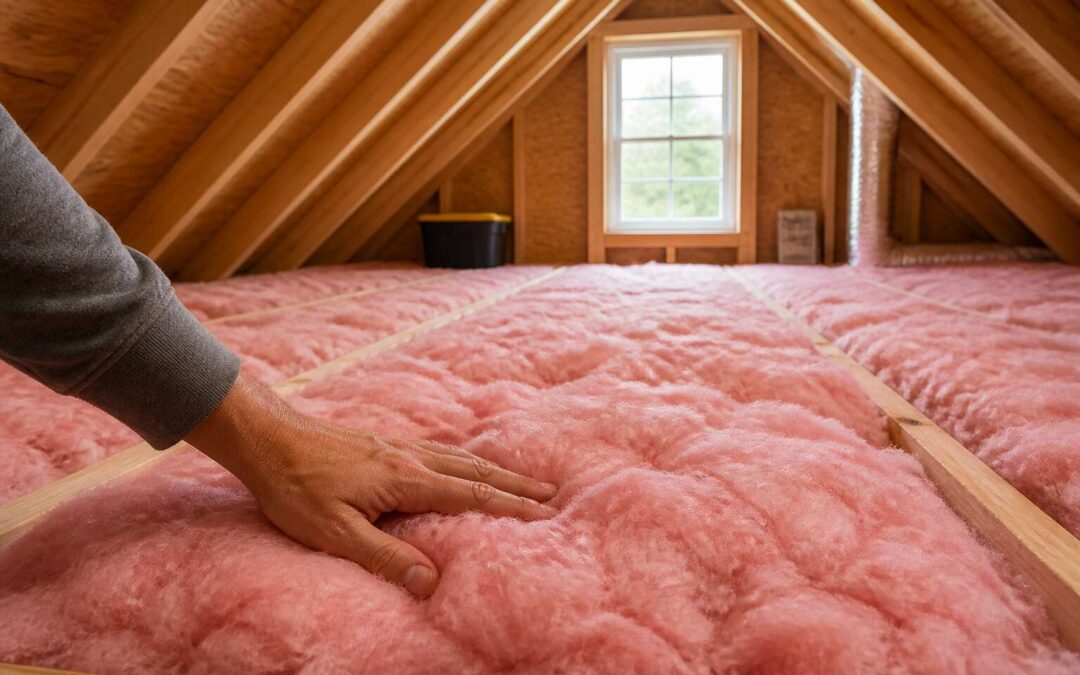
How Ceiling Insulation Cuts Energy Bills
Reducing Heat Loss Through the Roof
In South Africa, where winter nights bite sharply and summer days push the mercury higher, the ceiling is the most overlooked boundary between comfort and cost. Thermal studies indicate that up to a third of a home’s warmth escapes through an uninsulated roof. The ceiling insulation benefits extend beyond temperature control. By creating a thermal break, the insulation slows the movement of warm air upward and outward, so your heating or cooling system works less yet achieves more.
Every degree you offset represents kilowatt hours you never draw from the grid. That reduction flows directly into smaller monthly statements, and I find that deeply satisfying! Several factors determine how much heat escapes through the roof:
- The depth of insulation material used
- The condition of the ceiling, including gaps and cracks
- The presence of a radiant barrier in hot climates
When ceiling insulation is correctly installed, the thermal resistance keeps the interior stable. These ceiling insulation benefits appear in consistent room temperatures and in the reduced cycling of your HVAC system.
Lowering Summer Cooling Demands
Summer afternoons in Pretoria can push attic temperatures past 60 degrees Celsius, turning the ceiling into a radiant heat source. Without insulation, that heat seeps into living spaces, forcing air conditioners into relentless operation. A reflective barrier and thermal layer interrupt this transfer, so the rooms stay cooler with far less energy input.
I have watched energy meters slow down after retrofit insulation projects, and the savings are immediate! The ceiling insulation benefits shine in the dry season, where every kilowatt hour saved from cooling directly lowers your municipal statement. Reduced compressor cycling also means fewer breakdowns and a longer system life.
Slashing Blower and Compressor Workload
A compressor that switches on and off ten times an hour is doing far more work than it should. Every cycle sends a jolt through the motor windings, and the blower has to stop and restart, which accelerates wear on belts and bearings. When ceiling insulation is missing or compressed, indoor temperatures drift quickly, forcing the thermostat to send repeated start signals.
The ceiling insulation benefits become visible in how long the system rests. With a proper thermal layer overhead, heat gain slows to the point where the air conditioner runs in longer, steadier intervals. Fewer startups mean less strain on the capacitor and relay, two common failure points. Homeowners notice quieter operation from the blower and a slower-moving municipal meter. These ceiling insulation benefits are the difference between a system that restarts constantly and one that runs steadily.
Improving Year-Round Energy Efficiency Ratings
Beyond the mechanical savings, the financial picture also improves. Municipal tariffs rarely fall. Ceiling insulation benefits reduce the kilowatt hours you actually consume, which limits the annual increase on your statement. In South Africa, where electricity prices have risen steadily for years, that reduction matters more than a bargain rate from a supplier.
Year-round energy efficiency ratings improve with a steady thermal barrier. Assessors measure the building envelope, and a properly insulated ceiling raises the score without changing a single wall. These ceiling insulation benefits apply on both sides of the calendar, since heat retention in winter and heat rejection in summer both count toward the final rating.
A rating check looks at three elements:
- Insulation thickness and material type
- Coverage across the entire ceiling plane
- Installation quality, including compression signs
Those findings feed directly into the overall efficiency number, which is what buyers, tenants, and banks inspect.
Comfort and Temperature Stability Benefits
Eliminating Cold Spots and Drafty Hallways
On a July morning in Johannesburg, the hallway can be 8 degrees colder than your lounge. That gap is measurable, not imagined. It creates cold spots that invite drafts through every passageway. Ceiling insulation benefits these spaces directly by calming the air movement that carries the chill. The result is a steady temperature from room to room, without the sharp edges of cold air.
- Bedrooms stay warmer at floor level, where you actually sleep
- Bathrooms hold onto their heat when you step out of the shower
- Hallways stop funneling winter drafts from one end of the house to the other
Once the ceiling layer works quietly overhead, the temperature difference between rooms shrinks. You feel the same comfort at the front door as you do in the kitchen, in every season.
Maintaining Consistent Bedroom Temperatures
A bedroom at 16 degrees feels different at 2am than it does at 8pm. Your body lowers its core temperature while you sleep, which makes the room’s warmth more important than any thermostat setting.
Ceiling insulation benefits show up most clearly in those quiet hours. The ceiling layer slows the rate at which heat escapes upward, so the air near the floor, where your mattress sits, stays steadier. You wake less often and pull the duvet less.
In Johannesburg’s winter, that translates to mornings without the sharp shock of a cold room. The sleep you get is deeper because your body is not fighting the ambient temperature. That consistency, measured from midnight to dawn, is the practical difference insulation makes.
Structural Protection and Moisture Control
Preventing Condensation Buildup in Attics
A single night of trapped humidity can rot a roof from within. In South African attics, sharp temperature swings between day and night cause condensation to form on the underside of the roof deck. The moisture drips onto structural beams and seeps into the ceiling board. Here, ceiling insulation benefits emerge as a protective layer, keeping the roof surface closer to indoor warmth and reducing the temperature difference that forces water vapor out of the air.
Without insulation, the attic becomes a humid environment. Timber swells, metal fasteners corrode, and the air carries a musty odor. Preventing condensation buildup protects the entire roof assembly and preserves the integrity of the structure.
Minimizing Ice Dams on Roofs in Winter
Where winter frost settles on highveld and mountain roofs, the freeze-thaw cycle punishes an uninsulated ceiling. Warm air leaking upward melts the underside of accumulated snow, and the water runs down to refreeze at the colder eaves. This repeated melting and freezing forms a ridge of ice that pries up shingles and forces moisture back under the roofing material. The ceiling insulation benefits are twofold: it keeps the roof deck uniformly cold, so no single patch of warmth triggers a melt, and it stops the energy loss that fuels the cycle altogether.
For a South African home in the Drakensberg foothills or the Karoo’s winter nights, the protection is tangible. The structural timber stays dry, the sealant around roof penetrations holds firm, and the roof assembly remains intact season after season. These ceiling insulation benefits reach into the longevity of the house itself.
Extending the Lifespan of Roof Decking
Roof decking in Gauteng often fails silently. Trapped moisture from daily temperature swings accelerates fungal decay, and once the timber softens, the entire roof structure shifts. A stable attic temperature reduces the vapour pressure that drives dampness into the wood.
Consider the typical Johannesburg home. Uninsulated ceilings allow warm interior air to rise and condense on the cold underside of the decking. Over time, that persistent wetness delaminates plywood and corrodes nail plates. Insulation stops this cycle by keeping the deck closer to outdoor conditions, but without the condensation.
- Less moisture means slower rot.
- Dry timber preserves fastener grip.
- Stable humidity prevents warping.
Those are the ceiling insulation benefits that prolong the roof’s life.
Reducing the Risk of Mold and Rot in Framing
Walk into any older Johannesburg home during a wet winter and you might smell it before you see it. That musty tang means moisture has already infiltrated the roof cavity. Uninsulated ceilings let warm air escape upward, then cool and condense against the cold steel and timber framing. The result is dampness that invites mold and accelerates rot in structural members.
Ceiling insulation benefits extend beyond comfort. By keeping the attic air closer to indoor temperature, insulation prevents this condensation cycle. Framing stays dry, and dry wood does not support fungal growth. Over time, this barrier protects load-bearing beams, roof trusses, and wall plates from decay that would otherwise compromise the entire structure.
Blocking Airborne Pests and Debris
An uninsulated roof cavity is an open invitation. Birds, rodents, and leaves find their way through gaps and settle in the space above your ceiling. Once there, they build nests, leave droppings, and block ventilation paths. Ceiling insulation benefits include a physical barrier that closes those entry points and keeps the cavity clean.
Moisture control is part of structural protection. When debris accumulates, it traps humidity against the framing. Insulation reduces airflow and limits the amount of organic material that can hold water. A drier, more predictable roof space is the result.
- Stops leaves and twigs from entering
- Deters rodents and birds from nesting
- Limits moisture retention in the cavity
Health and Indoor Air Quality Improvements
Limiting Dust and Allergen Infiltration
Every breath inside a home contains microscopic irritants that can compromise respiratory health. Ceiling insulation benefits extend beyond temperature control, directly influencing indoor air quality. A properly installed layer forms a dense barrier that blocks airborne particles from infiltrating through roof spaces. This reduces the accumulation of dust mites, pollen, and fungal spores in living areas. For households in South Africa, where seasonal winds stir up fine particulates, this filtration effect proves invaluable. The result is a measurable decline in allergy triggers and a more comfortable indoor environment. Consider the typical intruders:
- Pollen from acacia and grass species
- Dust mite debris from fabric and bedding
- Mold spores from damp attic corners
Each of these contributes to sneezing, congestion, and fatigue. By sealing the thermal envelope, insulation also minimizes the airflow that carries these contaminants, offering a quieter, cleaner home.
Controlling Mold and Mildew Growth
Mold and mildew do not announce themselves. They release spores into the air weeks before a visible stain ever appears. Ceiling insulation benefits include stopping that process at the source. When a ceiling is poorly insulated, warm indoor air rises and hits a cold surface. The resulting condensation creates exactly the dampness mold needs to colonize.
With a proper thermal barrier, the ceiling temperature stays near the room air. Moisture cannot settle, and spores have no habitat. For South African homes, where humidity shifts sharply between coastal and inland regions, this stability matters deeply. It is the quiet difference between a bedroom that smells clean and one that leaves a lingering heaviness in your chest.
- Moisture
- Organic material
- Warmth
Mold requires all three. Ceiling insulation removes the moisture link by eliminating condensation. That breaks chain, and health improves without a single chemical treatment.
Reducing Outdoor Pollutants and Smoke Entry
Outdoor air pollution does not stop at the front door. Smoke from neighbourhood fires, exhaust from traffic, and fine agricultural dust all find their way into South African homes, often through the roof cavity. Ceiling insulation benefits include a measurable reduction in these pollutants. An uninsulated ceiling creates open channels that let outdoor smoke and particulates drift downward into bedrooms and living areas. A sealed thermal barrier interrupts that pathway, reducing the concentration of airborne irritants.
The effect is most noticeable during high air pollution events, such as winter smog or nearby veld fires. Homeowners with insulated ceilings report fewer allergy flare ups and less coughing during these periods. The insulation works as a continuous air quality filter, one that requires no electricity and no maintenance.
Dampening Noise for Better Sleep and Focus
Ceiling insulation benefits extend beyond temperature control into human health. When a home grows quieter, the nervous system settles. Uninsulated roofs transmit noise from rain, barking dogs, and passing vehicles. That acoustic intrusion fragments sleep and scatters attention. A dense insulation layer absorbs this sound, creating conditions for deep rest.
Consider the specific ways this improves daily life:
- fewer nocturnal awakenings from sudden noises
- more stable indoor humidity supporting respiratory ease
- clearer thinking when silence allows the brain to reset
Healthier air and quieter rooms feed each other. With fewer pollutants circulating and less noise to interrupt the night, residents wake more refreshed and work with greater precision. Ceiling insulation benefits do not mask symptoms of a poorly sealed home; they address the root of the discomfort itself.
Maintaining Balanced Humidity Levels
Humidity accumulates inside an uninsulated ceiling cavity. When warm household air contacts a cold roof surface, water vapour condenses into droplets that saturate timber framing. Over time, this moisture compromises indoor air quality. Ceiling insulation benefits become apparent when that temperature gradient is reduced. A properly installed layer keeps the roof deck closer to room temperature, preventing condensation before it starts. I have walked into homes where the bedroom air felt heavy and stale, a direct result of trapped moisture. Here are the signals that your home may be suffering:
- Persistent mustiness that worsens on cold nights
- Black speckled growth on ceiling corners
- Difficulty maintaining a steady humidity reading
With insulation in place, relative humidity stays balanced, which means fewer allergens and more comfortable breathing. These ceiling insulation benefits extend beyond comfort, they protect respiratory health. The thermal barrier works quietly, yet every breath confirms the result.
Creating a Safer Indoor Environment for Families
Every room shares the same air, and the ceiling cavity is often the dirtiest part of the system. Uninsulated roof spaces collect fine particles and chemical vapours from stored items and aged timber. When air moves through those voids, it carries these contaminants into living areas. Ceiling insulation benefits include slowing that airflow and reducing the burden on your family’s lungs.
A proper thermal layer creates a more neutral air pressure zone. This weakens the stack effect that pulls disturbed air from the roof space down into bedrooms and lounges. For families with asthma or sinus sensitivity, that difference is tangible.
- Reduced transfer of chemical vapours from stored goods and aged timber
- Less re-circulation of stagnant roof void air into bedrooms
These ceiling insulation benefits matter most in homes with children or elderly relatives. I have seen this shift in practice! Insulated ceilings hold a cleaner, more stable breathing environment.
Why Ceiling Insulation Boosts Home Value
Appealing to Energy-Conscious Homebuyers
A single decision about ceiling insulation can change a home’s market appeal in South Africa. Homebuyers are no longer satisfied with just aesthetics; they scrutinise monthly utility bills before signing. This shift means ceiling insulation benefits now translate directly into property value, often separating eager offers from prolonged listings.
For the energy-conscious buyer, an insulated ceiling indicates lower operating costs and reduced grid dependence. When appraising a house, these buyers calculate the long term savings, making insulation a tangible asset. I have seen homes with proper insulation command a premium, simply because they promise reduced energy consumption!
- Higher asking price potential
- Faster property sale timelines
- Greater appeal in competitive markets
These factors resonate in South Africa, where electricity costs remain volatile. As a result, ceiling insulation benefits are no longer a hidden feature; they are a decisive factor in a competitive sale.
Meeting Modern Building Codes and Standards
Property value in South Africa increasingly hinges on elements buyers cannot see. Ceiling insulation benefits extend beyond comfort, directly influencing the final sale price and the speed of the transaction. A home that meets modern building codes signals a serious, well-maintained investment. These standards now demand specific thermal performance levels, and an insulated ceiling is the most straightforward way to achieve compliance.
This alignment between regulation and homeowner desire creates a compelling advantage for sellers. The benefits visible to appraisers and inspectors are concrete:
– Compliance with national energy efficiency regulations
– A documented thermal barrier that reduces heat transfer
– A verifiable feature that justifies a higher asking price
Sellers who provide documentation of their insulation prove attention to detail. This simple addition transforms a house from a passive structure into an asset that actively manages its own energy profile, which is precisely what modern standards reward.
Improving Energy Performance Certifications
A certified energy rating turns an abstract notion of efficiency into a hard number that buyers trust. In South Africa, where electricity costs climb year after year, that number matters to the sale. Ceiling insulation benefits the resale position by lifting the property’s performance score before an inspector even steps through the door.
The calculation is straightforward. A home with a documented thermal barrier retains warmth in winter and stays cooler in summer, which means a lower projected energy burden for the next owner. Assessors measure this exact figure when issuing a certificate, and the ceiling insulation benefits extend straight into the grade itself.
Consider what a favourable rating signals to a prospective buyer:
- Lower monthly utility projections
- A home that respects environmental regulations
- Less strain on heating and cooling systems
None of this requires expensive retrofits. I have watched deals stall without this documentation. It simply requires the insulation to be present, intact, and demonstrable.
Increasing Perceived Comfort and Move-In Readiness
When a buyer steps through the front door, their first question is rarely about square meterage. It is about how the house makes them feel. On a Durban afternoon or a freezing Joburg morning, that feeling is tied to temperature. The ceiling insulation benefits are immediately perceptible, a quiet signal that this home is ready for occupation without drama.
Move-in readiness is a perception before it is a checklist. A steady indoor climate suggests a property that has been respected, maintained, and paid for properly. Buyers translate that comfort into their offer almost subconsciously.
Consider what a comfortable viewing signals:
- The house will not fight back after transfer
- No urgent cash injections expected
- The first night can be spent unpacking, not freezing
Any agent will confirm that ceiling insulation benefits the deal before a single paper is signed. A home that delivers comfort on arrival builds value through perceived convenience. No renovation needed, no negotiation stamina required, just a buyer who walks through the door and feels, correctly, that the hard work has already been done.