
Why Johannesburg Homes Need Effective Ceiling Insulation
Understanding Johannesburg’s Climate and Temperature Swings
Johannesburg’s Highveld climate sees daily temperature swings of over 20 degrees Celsius. Frost often coats windscreens on winter mornings, while summer afternoons push past the mid-thirties. Homes here face a relentless cycle of heat gain and heat loss. The demand for ceiling insulation johannesburg comes directly from this oscillation. Without it, the roof cavity becomes a weak point. Warm air rises into the ceiling during winter nights and escapes through poorly sealed joints. In summer, solar radiation heats the roof sheets and radiates downward into living spaces. Consider these specific stressors:
– High altitude thins the atmosphere, intensifying both sun and cold.
– Dry air allows rapid cooling after sunset, especially from May to August.
– Summer thunderstorms arrive with sudden temperature drops.
Each factor compounds the work required from heating and cooling systems. I have seen attics in Johannesburg where the difference between inside and outside is nearly zero. Proper ceiling insulation johannesburg slows that exchange, keeping indoor temperatures stable and reducing energy waste.
How Poor Ceiling Insulation Drives Up Energy Bills
An uninsulated ceiling adds hundreds of rands to your monthly electricity bill. In Johannesburg, where tariffs climb each year, that space between your roof and ceiling becomes a direct passage for heat. Poor ceiling insulation forces heaters and air conditioners to run longer, cycling against the temperature exchange.
Consider the pattern in an average home:
- Winter nights: warm air slips through ceiling gaps, so your heater keeps re-heating the same space.
- Summer afternoons: radiant heat from the roof pours down, making your cooler work overtime.
Each cycle adds to your statement. Effective ceiling insulation johannesburg creates a barrier that holds the indoor temperature steady, so your HVAC system switches on less often. I have walked through homes where ceiling insulation johannesburg cut their energy usage by nearly a fifth. That is the difference between tolerating a house and truly living in it.
Common Signs Your Current Ceiling Insulation Is Failing
Johannesburg’s highveld location offers a unique thermal challenge. The intense ultraviolet radiation at this altitude heats roof tiles to extreme temperatures by midday, while the thin atmosphere allows that heat to dissipate rapidly after sunset. This daily swing of more than 15 degrees Celsius puts immense stress on an unconditioned ceiling cavity. An effective ceiling insulation johannesburg solution must therefore manage two opposing heat flows within a single 24 hour cycle, which is why generic insulation products often underperform in this specific climate.
A failing insulation layer rarely announces its collapse. Instead, it manifests through subtle domestic clues that many homeowners dismiss as normal winter behaviour.
Common signs your current ceiling insulation is failing
– Uneven room temperatures across different areas of the house, particularly noticeable in rooms with north facing windows.
– A persistent chill emanating from the ceiling surface itself, even when the heater has been running for hours.
– Noticeable drafts around light fittings and ceiling access points.
– Rising energy consumption without any corresponding change in household habits or appliance usage.
When insulation settles or becomes damp from roof leaks, its thermal resistance drops dramatically. The material compresses into thin patches, leaving wide sections of the ceiling bare. This creates thermal bridges where heat bypasses the insulation entirely. Many homeowners only discover this after inspecting their ceiling space during a routine maintenance check. The visual evidence is often stark, with rodent nesting material, dust trails, and compressed batts revealing the true condition of the protective layer. In my experience inspecting properties across the city, the homes that suffer most are those with older fibreglass installations that have absorbed moisture and lost their loft. The air pockets that once trapped heat are gone, replaced by dense, compacted fibres that conduct temperature instead of resisting it.
The Impact of Ceiling Insulation on Indoor Comfort Year-Round
In the quiet space between your living room and the roof tiles lies a decision that shapes every waking hour of comfort. Ceiling insulation Johannesburg homes rely on does more than block heat. It mediates the relationship between the highveld sun’s brutal afternoon intensity and the rapid nocturnal chill.
The winter months expose this dynamic mercilessly. Warm air rises, naturally gravitating toward the one surface in your home that remains untouched by heating: the ceiling. If that surface stays cold, the room feels cold despite a working heater. This is the hidden cost of neglect.
A properly insulated ceiling maintains a consistent temperature gradient, so the air around your body reflects warmth rather than deferring to the thermometer. Ceiling insulation Johannesburg installations that account for both seasonal extremes deliver an interior climate that remains stable, predictable, and wholly independent of the weather outside.
Types of Ceiling Insulation That Work Best for Johannesburg Properties
Fibreglass and Rock Wool Options for Local Ceilings
Johannesburg’s temperature extremes demand effective ceiling insulation. Fibreglass and rock wool lead the market for local properties. Fibreglass is light, affordable, and simple to handle. Rock wool offers superior fire resistance and acoustic control. Both work well, but only if installed correctly.
An uninsulated ceiling can waste up to 35% of a home’s heating and cooling energy. Many homeowners now layer both materials for maximum benefit. Consider these points:
- Fibreglass: cheaper, but sags if unsupported.
- Rock wool: denser, better for noise and fire.
For ceiling insulation Johannesburg, the choice often depends on your ceiling structure. Older homes may need extra framing for rock wool. Newer builds usually suit fibreglass fine. Proper ventilation is essential to prevent condensation and maintain performance.
Reflective Foil Insulation and Its Effect in High Sun Areas
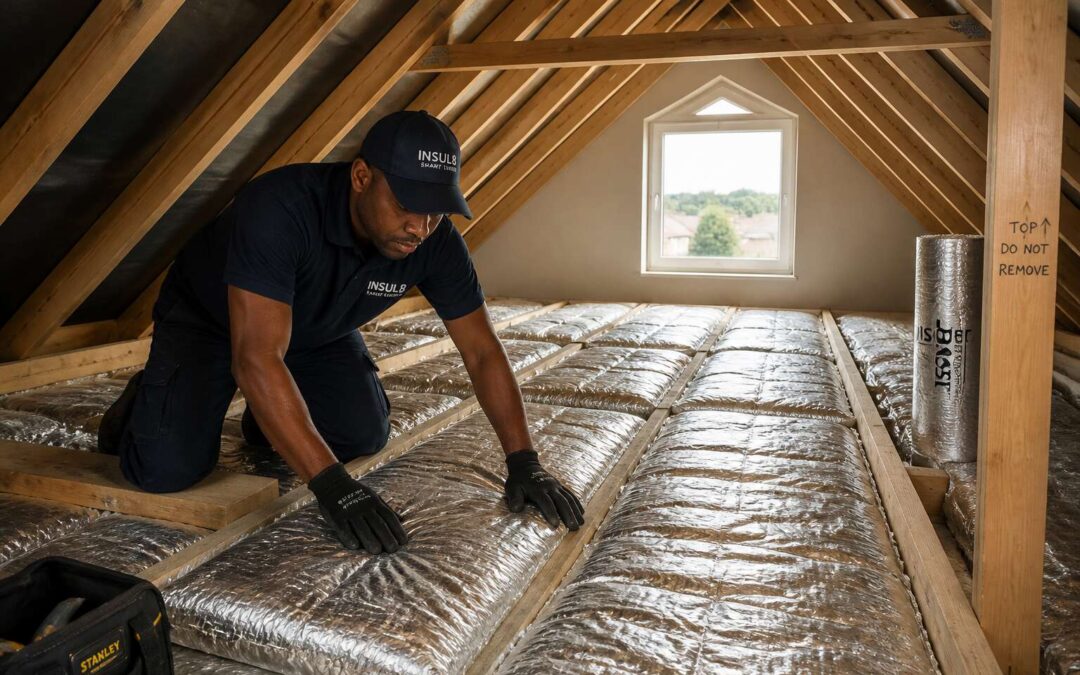
In high sun areas, reflective foil insulation works by bouncing radiant heat away from your ceiling. This type of ceiling insulation johannesburg relies on shiny aluminium layers, not mass. It performs best when facing an air gap. Without that gap, the foil cannot do its job.
I have seen foil outperform other materials during Johannesburg’s intense summers. It does little for cold nights, though. Pair it with bulk insulation for effective seasonal performance.
Consider these points about reflective foil:
- It requires a clean, dust free surface to reflect effectively.
- It is thin and easy to install between rafters.
- It works only in combination with an air space.
Always check local building guidelines before installation.
Cellulose and Eco-Friendly Insulation Materials
Cellulose is a practical option for ceiling insulation johannesburg. This eco-friendly material comes from recycled paper treated with boron, giving it fire resistance and pest protection. It settles into irregular gaps, reducing air movement and noise. For a city with summer heat and cold snaps, cellulose offers a dense, dry barrier. It does not show off, but it handles temperature swings without complaint.
Here are its main perks.
- It uses recycled content, lowering waste.
- It resists moisture better than many organic options when installed correctly.
However, cellulose requires careful installation. Moisture damages it, so ensure proper ventilation. When comparing insulation choices for this region, cellulose balances comfort with sustainability. Sheep’s wool also works, though it costs more. Both outperform synthetic options in environmental impact. Choose based on your budget and ceiling structure.
Comparing R-Values for Johannesburg’s Roof Spaces
R-value is the only honest measure of thermal resistance. When I compare insulation for ceiling insulation johannesburg, the debate narrows to three materials. Rock wool holds its shape under heat and moisture, delivering around R3.5 per 100mm. High-density fibreglass offers R3.0, but compresses easily in tight roof spaces. Reflective foil performs differently, relying on air gaps to block radiant heat rather than slowing conduction.
The real test is how each behaves once installed.
- Pitched roofs favour foil for sun-facing slopes.
- Flat ceilings suit wool batts that resist sagging.
- Complex roof geometries demand flexible fibres.
That is why matching material to structure beats chasing a single R-number. A label says R4.0, yet poor fitting can halve its effect. Trust the installation, not the packaging.
Spray Foam vs Blanket Insulation: Pros and Cons
When weighing spray foam against blanket insulation for ceiling insulation johannesburg, the decision hinges on your roof’s quirks. Spray foam expands into every crevice, creating an airtight barrier that halts thermal drafts. Blanket insulation offers a simpler, DIY-friendly route, though it often leaves small gaps around timber trusses. I have seen both fail when installed poorly. Foam cracks if the surface is damp; blanket sags if not supported.
- Spray foam excels in irregular cavities and high wind exposure.
- Blanket suits straight, open ceilings and tight budgets.
On Johannesburg roofs, the same product can perform brilliantly or fail silently, depending on who handles the spray gun or the staple gun.
Fire Safety and Moisture Resistance Considerations
Fire and moisture can undo a perfect installation in one Johannesburg summer. The city’s highveld storms bring humidity spikes, while electrical faults and lightning add real ignition risks. So choose ceiling insulation johannesburg homes can trust. Mineral wool stands out, with a melting point above 1000°C. It also breathes, letting trapped damp evaporate. Glasswool offers similar fire resistance but needs a vapour barrier in low-pitch roofs. Polyurethane boards give high R-values per thickness, yet they require a fire-rated cover to be compliant.
Half the battle is material selection. The other half is professional installation, because local roof geometry varies dramatically. Here is what I inspect every time:
- Flame spread rating for the specific substrate
- Moisture absorption after 48 hours in a humid chamber
- Compression recovery under roof load, since sagging creates gaps
Joburg properties need the combination of fire safety and moisture control, not just one attribute. Get that right and the insulation will last decades.
Key Steps to Installing Ceiling Insulation in Johannesburg Homes
Assessing Your Current Ceiling Structure and Attic Space
A Johannesburg attic can hit 55 degrees before noon. Before installing anything, you must know what is above your head. I always crawl into the ceiling space with a torch and a mask. The structure reveals everything you need.
Examine the joists for sagging or rot. Check water stains on the underside of the roof. Note any exposed electrical cables and inspect the depth of leftover insulation. Small findings change your installation strategy.
- Measure the spacing between ceiling joists.
- Identify ventilation openings and blockages.
- Test for damp spots or mould patches.
Getting this assessment right matters. A rushed inspection turns good ceiling insulation Johannesburg homes need into a wasted investment. The best results start with a clear map of the attic space.
Choosing the Right Insulation Thickness and Coverage
The greatest heat loss in any Johannesburg home happens through the ceiling. It is not enough to simply pack any fluffy material into the roof void. The thickness and coverage directly dictate your energy bill and your comfort during a Highveld winter.
Selecting the correct R-value for ceiling insulation johannesburg properties requires a blunt assessment of your budget and the available depth between your joists. A common mistake is buying standard rolls without checking if they will compress. Compressed insulation loses its trapped air pockets, which are the actual insulators. The material becomes a useless blanket.
For most local homes, aiming for an R-value of 3.5 or higher is the benchmark. This usually translates to a thickness of about 150 to 200 millimetres for fibreglass.
Coverage is equally unforgiving. You cannot leave gaps for convenience, ignoring the tight corners above the walls. A single uncovered strip of ceiling is a thermal bridge. Here is what most installers miss:
– Overlapping seams across the joists to stop air movement.
– Extending the material right to the outer edge of the eaves.
– Cutting neat pieces around downlights and exhaust fans.
– Avoiding the temptation to block the soffit vents for roof insulation johannesburg relies on.
Failing to cover those edges negates the entire effort. The air bypasses the main insulation layer completely.
The math is simple: if you buy the wrong thickness, you will be back in the roof in five years. Or worse, you will pay the electricity provider for the privilege of heating the sky. Check the product’s declared thermal resistance before you buy. Measure your joist depth twice. The cheapest option in the shop is rarely the cheapest per square metre of effective protection.
Preparing the Roof Space for Insulation Installation
Preparing the roof space for insulation installation is typically more critical than the material itself. In Johannesburg, the roof void can be a dusty, cramped environment with hidden hazards. Before any ceiling insulation johannesburg project begins, the space must be cleared of old debris, rodent droppings, and loose wiring.
- Check the ceiling boards for damp spots and seal any water leaks first.
- Ensure electrical cables are properly secured and rated for contact with insulation.
- Confirm that all downlights are fire-rated and have adequate clearance.
A poorly prepared roof space will compromise the entire installation. If you leave existing insulation batts compressed or wet, they will transfer moisture to the new layer. Remove old material entirely if it is damaged. Sweep the joists clean. Pay attention to the eaves and soffit vents. Maintain airflow while keeping the insulation in place. That balance prevents condensation and roof rot.
DIY vs Professional Installation: What Johannesburg Homeowners Should Know
They say a man’s home is his castle, but in Johannesburg, the roof is the moat. The difference between a successful DIY project and a costly blunder often comes down to how well you understand the physics of your own attic. The first step is always laying the vapor barrier correctly, as this dictates the long-term health of your timber trusses.
It is rather amusing how many well-intentioned homeowners approach this task with a level of optimism reserved for lottery tickets. The actual labor involves crawling through fibreglass dust that itches in places you didn’t know you had, while balancing on ceiling joists that creak ominously. Here are the essential steps to guide your labour:
– Measure the area meticulously to calculate the required rolls of ceiling insulation johannesburg suppliers stock.
– Position the insulation so it sits flush against the ceiling boards, leaving the eaves clear for ventilation.
– Stagger the batts to eliminate gaps that allow thermal bridging.
The debate between tackling this yourself or hiring a professional is a curious social dance. On one hand, the DIY route offers a sense of rugged individualism and a slightly lighter bank balance. On the other, professional installers bring a familiarity with the local building regulations and the unique quirks of highveld architecture. They know that the ceiling insulation johannesburg homes require must withstand summer hail and winter chill, not just a generic product off a shelf.
However, the true test of character arrives when you realise that your ladder doesn’t quite reach the hatch, and your neighbour’s dog has decided your garden is its personal racetrack. Professionals carry the correct safety harnesses and have the experience to navigate these spaces without turning your ceiling into a crater. They also have access to industrial-grade equipment that ensures a uniform depth, which is an aesthetic detail you cannot achieve with a ruler and a prayer. The choice rests on whether you value the learning experience or the preservation of your sanity.
Ventilation Requirements When Installing Ceiling Insulation
Ventilation determines the success of any ceiling insulation johannesburg project. Without proper airflow, trapped moisture erodes your roof structure from within. Johannesburg’s highveld summers make this a non-negotiable.
Start by confirming your eave vents are unobstructed. Insulation must never block the gap between the roof and the ceiling board. I recommend a 50mm airspace for consistent crossflow.
- Install a vapor barrier on the warm side of the ceiling.
- Use baffles at the roof edge to direct air over the insulation.
- Check roof vents for debris before laying any batts.
Only after ventilation safeguards are in place can you lay the first roll. Stagger joints and maintain uniform depth. That sequence is what separates a functional ceiling insulation johannesburg install from a costly mistake.
Costs, Savings, and ROI of Ceiling Insulation in Johannesburg
Average Price Ranges for Ceiling Insulation in Johannesburg
Your uninsulated ceiling costs you money every month. In Johannesburg, ceiling insulation johannesburg prices range from R120 to R250 per square meter, installation included. A standard three bedroom home pays R8,000 to R15,000 to stop that monthly loss.
Savings appear within two billing cycles. Expect your electricity usage to drop by 20% to 30%. The payback period lands between two and three years. After that, the insulation continues saving you money without additional effort. Rising Eskom tariffs enhance the return.
- Material costs account for 60% of the total price.
- Labour takes the other 40%.
- Uninsulated ceilings allow 35% of household energy to escape directly upward.
The ROI on ceiling insulation johannesburg grows with every tariff increase. Each hike raises your savings without adding a cent to your initial outlay.
Potential Energy Savings on Heating and Cooling Costs
The cost of ceiling insulation johannesburg is an immediate expense that many homeowners hesitate to accept. Yet the money spent on heating and cooling is continuous and invisible. Each winter month, electric heaters run longer than necessary because the warmth escapes through an uninsulated roof. Each summer, cooling systems work double shifts to counteract the radiant heat overhead.
The savings appear in the electricity bill, not in theory. A properly insulated ceiling reduces the demand on heating and cooling systems by up to 30%. That reduction is not a one-time event. It compounds every month.
- Reduced heating load during cold nights
- Reduced cooling load during hot afternoons
- Smaller electricity bills that grow with every tariff hike
The payback period for ceiling insulation johannesburg lands between two and three years. After that, every Eskom price increase becomes another gain. Your initial outlay stays fixed, while the savings keep rising. This is the quiet arithmetic of insulating a ceiling. It does not require behaviour change or daily discipline. It works on its own, every hour of every season. This is why the return on insulation is not a projection. It is a measurement of avoided loss.
Municipal Rebates and Incentives for Insulation Upgrades
Municipal rebates for ceiling insulation johannesburg rarely cover the full installation cost, yet they alter the financial equation. The City of Johannesburg has periodically offered incentives through demand side management programmes, though the funding is limited and subject to annual review. Homeowners who act within the application window can recover a meaningful portion of the outlay. Eligibility is not uniform.
- Property valuation must fall below the municipal threshold
- The installation work must be performed by a registered contractor
- Invoices must be submitted before the programme funds are exhausted
Once a rebate lands, the payback period shortens measurably. The return on investment becomes a function of tariff escalations rather than just the insulation’s R-value. A single rebate application is a small administrative effort with a direct effect on the upfront cost. The ongoing savings, however, remain the real prize.
Long-Term Value addition to Your Johannesburg Property
Ceiling insulation johannesburg costs between R150 and R350 per square metre installed. I have seen the spread come down to access, material, and whether the ceiling needs repairs. Savings are more predictable. Proper insulation can cut heating and cooling energy use by up to 40 percent, which removes hundreds of rands from monthly municipal bills!
ROI improves when property value enters the calculation. A home with effective insulation sells faster and appraises higher. Over a decade:
- Monthly savings exceed the initial outlay
- The resale premium often covers the installation cost
- Reduced heater and air conditioner use extends equipment lifespan
The house becomes easier to live in, and that shows in the final sale price.
Choosing a Reliable Ceiling Insulation Service Provider in Johannesburg
Certifications and Industry Standards to Look For
Finding a trustworthy installer for ceiling insulation Johannesburg begins with verifying accreditations. The South African National Standards (SANS) outline requirements for thermal performance and fire safety. I always advise homeowners to confirm a contractor’s membership with the Insulation Association of South Africa (IASA). Ask for proof of compliance before any work begins.
Certified teams follow strict protocols, understand local building codes, and carry liability insurance. These markers separate professionals from casual operators.
- Verify SANS compliance certificates.
- Confirm IASA membership.
- Request insurance documentation.
Without these checks, you risk substandard materials or unsafe installation. A reliable ceiling insulation Johannesburg provider welcomes scrutiny. That transparency protects your home and your investment.
Questions to Ask Before Hiring an Insulation Contractor
Johannesburg homeowners often discover that the cheapest quote for ceiling insulation Johannesburg ignores what actually happens inside a roof space. A contractor who cannot explain installation timelines or material sourcing may seal a roof over unresolved problems.
Ask pointed questions before work begins! The responses reveal operational depth that marketing material rarely shows.
- Who performs the actual installation and what training have they completed?
- What warranty covers both the material and the workmanship?
- How will you manage unexpected findings in the roof space, such as degraded wiring or moisture?
Reliable providers document every stage, supply written confirmation, and maintain a clear line of communication after the job ends. They also specify which insulation products they use and why those suit local roof geometries. That level of accountability prevents disputes later and ensures the thermal barrier performs as calculated.
Reading Reviews and Checking Past Installations in Joburg
Choosing a ceiling insulation johannesburg provider starts with reading reviews, but not the five star summaries. Read the lengthy ones. Those describe how a team handled delays, noise, and dust in a lived in home. That detail reveals whether the company respects the space it works in.
Checking past installations in Joburg means asking for recent addresses. Visit them if you can. Notice how insulation sits around downlights and roof beams. Neat edges and consistent depth indicate careful work.
- Ask reviewers about their home’s age and roof style.
- Look for comments about post installation follow up.
- Search for mentions of hidden costs.
A verified track record in your suburb outweighs a glossy website. The right provider shows proof, then lets the quality of their ceiling insulation johannesburg work speak for itself.
Warranties, Guarantees, and After-Sales Support
Most Johannesburg homeowners only think about the warranty after the insulation is installed, which is exactly when the relationship with the provider truly starts. A warranty on ceiling insulation johannesburg work should cover material defects and installation errors, but the details matter. How long is the labour guarantee? What happens when a downlight heats up and the foil shifts? After-sales support separates committed installers from one time operators.
- Confirm who responds to callouts within a week
- Ask if the warranty transfers when you sell your property
- Request a written after care checklist for the roof space
Seek a ceiling insulation johannesburg guarantee that is explicit about moisture damage and rodent interference. A reputable provider returns without argument, inspects, adjusts, and documents. The silence after payment often speaks loudest. Choose a company whose word holds weight in the heat of a Highveld summer.
Scheduling, Project Timelines, and Minimal Disruption
The fastest ceiling insulation johannesburg installation means nothing if you have to vacate your home for a week. A reliable provider starts with a clear schedule: loft inspection, material delivery, and installation day. Most standard homes take one to two working days. Ask about weather dependencies, since Highveld storms can interrupt foil work.
Minimal disruption involves real practices. Installers should cover your floors, protect light fittings, and remove all debris. I have seen crews leave screws and packaging behind, which defeats the purpose. Confirm the timeline in writing before signing. Also check whether the team works solo or in pairs, as that changes the duration. A good provider for ceiling insulation johannesburg respects your routine and leaves your living space exactly as they found it.
Maintaining and Upgrading Ceiling Insulation in Johannesburg
Inspecting Your Insulation for Damage or Settling
Your ceiling insulation johannesburg withstands intense UV rays and sudden hail storms, but it still needs periodic assessment. Over time, even quality materials compact, shift, or suffer from rodent activity. This gradual degradation decreases thermal resistance without obvious warning.
Start by inspecting the roof space every two years or after severe weather. Look for gaps where panels have pulled apart, dark patches that indicate moisture, and areas where the material sits noticeably thinner than it should.
- Check for compressed or flattened sections near walkways and access points
- Look for damp spots, which signal roof leaks that will ruin insulation quickly
- Scan for droppings or nesting material that point to pest infestations
- Confirm the insulation still sits flush against the ceiling, without wind wash channels
If the material has settled to half its original thickness, its effectiveness drops considerably. Upgrading to a denser product can restore performance, but only after your roof space is properly sealed and ventilated. Catching problems early saves Johannesburg homeowners from expensive energy losses and uncomfortable indoor conditions, so regular inspection is a practical investment in your home’s efficiency.
Signs You Need to Replace or Top Up Existing Insulation
The insulation above your head works hardest when you notice it least. ceiling insulation johannesburg residents install today can lose up to 40% of its thermal resistance before any visible failure appears, which makes recognition of replacement cues essential.
Spiking energy bills, uneven room temperatures, and insulation that feels brittle or dusty to the touch all point toward exhaustion of the material’s useful life.
- Settled layers below the ceiling joist line
- Gaps exposing the ceiling board beneath
- Compressed sections along walkways that no longer rebound
Topping up works when the existing layer remains dry and structurally intact. Replacement becomes non-negotiable when moisture damage, mould, or contamination has penetrated the material, because no top-up layer can restore compromised performance below it.
Pest, Dust,and Allergen Protection for Insulated Ceilings
Johannesburg’s Highveld dust and seasonal pests make ceiling insulation johannesburg an inadvertent trap for contaminants. A single gap invites rodents or pollen-laden debris into the fibre layers. Once there, allergens recirculate through your home, aggravating asthma and allergies. I’ve inspected attics where an unsealed junction turned pristine insulation into a pest highway.
Protective maintenance requires sealing entry points and adding vapour barriers. These upgrades matter most when you top up existing material:
- Replace compressed insulation along walkways
- Install a dust-proof membrane beneath new layers
- Choose pest-resistant foam for high-risk zones
Upgrading to closed-cell spray foam denies nesting grounds and simplifies future cleaning. For blanket types, annual checks catch contamination before it spreads. Air-sealing gaps around pipes and electrical boxes remains a priority, as these are common invasion routes. Such diligence preserves both thermal performance and indoor air quality.
Combining Ceiling Insulation with Other Energy-Efficient Home Upgrades
Ceiling insulation johannesburg performs best when the rest of the home supports it. I once inspected a house where every attic layer was flawless, yet the owner still paid exorbitant electricity bills. The problem lay in unseen thermal leaks from uninsulated floor slabs and a poorly positioned solar inverter.
Pairing that insulation with a low-emissivity roof coating or a heat pump water heater changes the load on your HVAC system. Consider this sequence for a phased upgrade:
- Address roof shading through a cool roof paint before adding more fibre.
- Install a heat pump or solar geyser to reduce overall heat generation.
- Upgrade to a smart thermostat that coordinates with attic temperature sensors.
Such coordination allows the attic layer to work alongside every other efficiency measure, not as an isolated fix.