
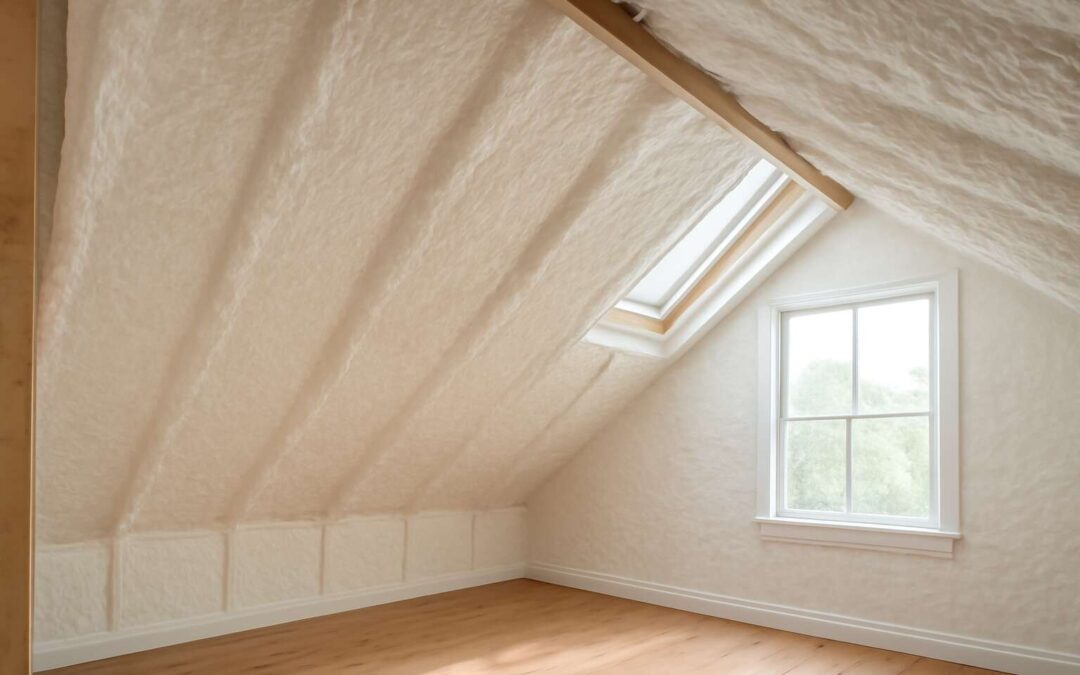
Understanding foam insulation for ceilings
What is foam insulation for ceilings?
Ceiling insulation foam is a quiet revolution for South African homes where a hot afternoon meets a chilly evening. Up to 30% of heating or cooling escapes through the ceiling, a cost you can trim without sacrificing comfort. The secret is an airtight layer: ceiling insulation foam.
What is foam insulation for ceilings? It is spray-applied polyurethane foam that bonds to roof surfaces, expanding to fill cavities and create an air barrier. It comes in closed-cell and open-cell varieties, balancing higher energy savings with sound and moisture considerations.
When you weigh its virtues, ceiling insulation foam offers:
- Air barrier that curbs drafts
- Enhanced thermal comfort with minimal space
- Adaptive to awkward roof shapes
In the South African context, this approach marries practicality with a touch of elegance, delivering climate control without fuss.
Types of foam insulation used in ceilings
Understanding foam insulation for ceilings reveals how ceiling insulation foam can transform a room, turning hot afternoons and cool evenings into a steady, graceful climate. In South Africa, up to 30% of heating or cooling escapes through the ceiling, a needless loss that sealant and foam readily address.
Two main varieties dominate the market, each with its own character and suitability:
- Closed-cell polyurethane foam: high R-value per inch, a robust air barrier, and moisture resistance that can strengthen roof decks in humid or damp environments.
- Open-cell polyurethane foam: lighter and more economical, offering excellent sound attenuation and flexibility for irregular roof shapes.
Applied as an expanding spray, this insulation bonds to roof surfaces and fills cavities, adapting to awkward angles while maintaining a slim profile. The choice between closed-cell and open-cell hinges on climate, moisture expectations, and acoustic needs, weaving a design-sensible balance into contemporary South African homes.
How foam insulation reduces heat transfer
Sun-soaked afternoons test roofs, and the quiet fortress of ceiling insulation foam rises to meet them. It reduces heat transfer by sealing gaps and locking a steady rhythm into the house, delivering a surprising thermal resilience with every breeze that drifts in. In South Africa, that soft seal makes the difference between a stifling interior and a calm, breathable space.
- Fills cavities and irregular angles for seamless coverage
- Creates a durable air barrier that curbs drafts and hot spots
- Offers moisture moderation in humid months while preserving acoustic comfort
Across South Africa’s varied skies, the decision between a dense, moisture-shedding form and a lighter, adaptable option guides the build. Ceiling insulation foam delivers a slim, unobtrusive layer that hugs the roofline while curbing unwanted heat flow. The space feels more balanced, calmer, and ready to breathe with the seasons.
Common applications and installation considerations
Heat climbs roofs in South Africa. A sealed ceiling trims cooling costs and keeps rooms comfortable. Understanding how foam works is the first step to real, lasting comfort.
ceiling insulation foam excels in filling cavities and irregular angles for seamless coverage, turning awkward roof shapes into a single seal. It cuts drafts and hot spots, helping rooms feel calmer.
Common applications include retrofits and new builds where a slim, unobtrusive layer is enough. When installing, mind thickness, curing, and roof ventilation. Professional handling avoids gaps and misalignment.
- Ventilation and moisture management
- Correct thickness and curing schedule
- Code and fire safety compliance
In South Africa’s varied skies, the choice between moisture-shedding and adaptable foam shapes matters, and the right installation supports long-term performance.
Choosing the right foam insulation product
Closed-cell vs open-cell foam: pros and cons
More than a third of energy loss in a modern SA home creeps out through the roof, a fact that lands like a gust of cold in winter and heat in summer. When I assess a project, ceiling insulation foam often proves a quiet revolution, shaping comfort without turning the house into a furnace or freezer.
Closed-cell foam delivers a higher R-value per inch and blocks moisture, but it comes at a premium. Open-cell foam is cheaper and more forgiving to gaps, yet it loses some performance in damp environments. For ceilings, the choice hinges on climate, humidity, and budget, and ceiling insulation foam remains a unifying thread through the decision.
- Closed-cell: high insulation, moisture barrier, structural rigidity
- Open-cell: lower cost, excellent sound dampening, more flexible with irregular shapes
- Hybrid approaches balance cost and performance for specific ceiling profiles
R-values and thermal performance explained
In South Africa, the roof acts like a quiet siphon for comfort—up to a third of energy slips away through the ceiling. Choosing the right ceiling insulation foam hinges on understanding how R-values translate into real warmth and economy. It’s not simply about the heft of foam; it’s about how much heat your ceiling can hold per inch while preserving breathable, comfortable living spaces.
To compare options, consider these factors, then let the numbers speak for the smoothness of your climate and budget.
- R-value per inch and the thickness you can fit in your ceiling
- Moisture handling and compatibility with your roof assembly
- Humidity levels and seasonal temperature swings
- Long-term cost efficiency and maintenance implications
When these options align with reality, the same quiet material becomes a steadfast ally, turning seasonal tempests into a softer, steadier interior climate.
Moisture resistance and vapor considerations
In South Africa, up to a third of home energy leaks through the ceiling, turning comfort into a quiet negotiation with the climate. Choosing the right foam insulation product hinges on moisture resistance and vapor behavior, so the material doesn’t trap dampness or invite condensation into the attic. The goal is a breathable barrier that blocks heat loss without becoming a sponge for humidity.
Moisture and vapor considerations matter because the roof assembly sits at the border between warmth and damp. For ceiling insulation foam, these factors guide the dialogue around performance:
- Moisture resistance: resists damp and mold.
- Vapor permeability: diffusion of water vapor.
- Roof-assembly compatibility: works with decking and vents.
- Long-term stability: resists cracking and seal loss.
When these qualities align, ceiling insulation foam quietly champions a steadier interior climate under South Africa’s skies.
Installation methods and considerations
DIY vs professional installation: when to hire
In South Africa, up to 30% of heat escapes through ceilings when insulation is neglected. Ceiling insulation foam is a swift, high-performance shield that blends comfort with savings, turning chilly mornings into a promised warmth—without the drama.
DIY might seem tempting for simple spaces, but installation is more than mixing and spraying. Consider access to the attic, moisture history, electrical runs, and local building codes. For ceiling insulation foam, professional crews ensure correct density, safe application, and enduring warranties.
Before you pick a path, weigh these realities. The choice to hire often hinges on complexity and risk:
- Complex roof geometry or hard-to-reach bays
- Moisture or past leaks in the ceiling cavity
- Electrical wiring, vents, or fixtures that complicate installation
- Code compliance and manufacturer warranty requirements
Preparation and safety for foam insulation projects
In South Africa, up to 30% of heat escapes through ceilings when insulation is neglected. Ceiling insulation foam can flip that script, delivering a swift, high-performance shield that blends comfort with savings and turns chilly mornings into warmth. The method you choose—spray rigs on new builds or a trained crew for tight attic spaces—shapes cure speed, density, and warranty terms, a transformation that feels almost supernatural.
I’ve seen moisture histories derail even the best installations, so preparation is non-negotiable. A clean, dry cavity, clear access, and awareness of electrical runs and vents prevent costly rework. A professional team verifies compatibility with existing structures and ensures compliance with codes and warranty requirements.
- Site and access assessment to protect fixtures
- Moisture history and cavity dryness to curb curing issues
- Electrical and vent coordination to avoid clashes
With the right preparation, the system delivers durable performance and lasting comfort.
Typical installation steps for attic and ceiling spaces
In SA, up to 30% of heat escapes ceilings when insulation is neglected—enough to turn a morning coffee into a shiver. Ceiling insulation foam, deployed correctly, can flip that script with calm confidence. Installation methods vary: spray rigs accelerate new builds, while a nimble crew handles tight attic spaces with the poise of a practiced barista. The aim is a uniform, fully cured layer that holds up under South African conditions and carries a warranty that outlives the paint on your walls.
- Ensure access and safety paths are clear for equipment.
- Seal all gaps, vents, and rough openings to prevent blow-through.
- Apply ceiling insulation foam evenly, targeting uniform density and coverage.
- Monitor humidity and temperature to support proper cure and adhesion.
- Complete a post-application inspection and document warranty details.
Air sealing and gaps: importance
South Africa’s roofs don’t just endure the sun—they negotiate the climate with you. In practice, installation methods span spray rigs for new builds and nimble crews for tight attic spaces, all aiming for a uniform, fully cured layer of ceiling insulation foam. Air sealing and gaps matter more than décor; a stray draft can derail comfort and spike energy bills in equal measure.
- Access and safety paths clear for equipment
- Gaps around vents, rough openings and penetrations deserve careful attention
- Foam should be applied evenly to maintain uniform density and avoid blow-through
Afterward, a thorough post-application inspection helps confirm cure, edge-to-edge coverage and warranty details suited to SA conditions.
Ventilation and building codes
Installation methods for ceiling insulation foam span SA’s varied roofs, from spray rigs on new builds to nimble crews squeezing into tight attic nooks. The ceiling insulation foam should be a uniform, fully cured layer that steadies the roof’s climate dialogue and halts drafts that sting comfort and spike bills. In practice, teams balance speed with care, keeping access paths clear and penetrations treated with quiet precision.
- Adherence to SA building codes and energy standards (SANS 10400-XA)
- Managed ventilation during cure to safeguard indoor air quality
- Careful detailing around vents, rough openings, and penetrations to preserve seal integrity
Ventilation and building codes steer every practical decision, aligning with SA climate realities. Local permit requirements and warranty language reflect the country’s standards, ensuring long-term performance under South Africa’s sun and storm.
Cost, savings, and return on investment
Material costs and where the money goes
In South Africa’s variable climate, a well-sealed ceiling becomes a quiet ally against energy waste. Ceiling insulation foam creates a continuous barrier that tames drafts, stabilizes indoor comfort, and trims yearly energy bills, making the home feel noticeably steadier through seasons!
Upfront costs cover the material itself and the skilled application, plus safety gear, scaffolding, and preparation time. The money spent breaks down like this:
- Materials and ceiling insulation foam application
- Skilled labour and curing time
- Safety gear, scaffolding, and equipment
- Cleaning, waste disposal, and site protection
- Compliance checks and building-code fees
Savings accumulate as the attentive barrier reduces heat loss and gain, lowering bills year after year. The return on investment widens with rising energy costs and improved comfort, and property value often benefits over the long term, especially in markets where energy efficiency is valued.
Energy savings estimates and payback period
Energy bills tell a quiet story, and ceiling insulation foam writes the ending many homes crave. In South Africa’s variable climate, a well-sealed ceiling tames drafts and stabilises comfort, turning frigid nights into steady warmth. Energy savings estimates suggest a payback period of roughly four to eight years, depending on local prices and how the house is lived in.
- Annual energy savings range relative to current heating and cooling use
- Payback period: roughly four to eight years in typical homes
- Long-term value: stronger resale appeal in energy-conscious markets
Beyond the numbers, the lasting hush of a balanced interior—and the breath of ceiling insulation foam—keeps paying, season after season, as the house becomes a refuge from the heat and the cold.
Long-term maintenance and lifespan
Across South Africa, warmth isn’t a luxury—it’s a daily matter of comfort. In homes with ceiling insulation foam, energy bills often drop—some up to 30% in colder months. The difference is more than numbers; it’s the quiet steadiness a sealed roof brings from the karoo to the coast.
Cost and savings unfold over time. While the upfront install is an investment, the long arc leans toward smaller bills and a steadier interior. With ceiling insulation foam, ROI grows as comfort compounds and resale appeal rises in energy-aware markets.
Long-term maintenance and lifespan are quiet dividends. Once in place, this insulation tends to stay the course, resisting moisture and drafts with minimal upkeep. In SA homes, proper ventilation and occasional professional checks keep performance strong for decades.
- Durability: long lifespan
- Low maintenance
- Warranty coverage
Rebates, incentives, and financing options
Across SA, winter bills can climb by as much as 30%, turning warmth into a financial headache. Ceiling insulation foam isn’t just material; it’s peace of mind—I’ve watched households calm their costs and enjoy cozier rooms, from the Karoo to the coast.
- Utility rebates for energy efficiency upgrades
- Financing plans from banks and retailers
- Government incentives or grants for insulation projects
Rebates, incentives, and financing options help shorten the payback period, turning comfort into a true asset and supporting longer-term ROI as resale appeal grows in an energy-aware market.
Quality, safety, and environmental considerations
Health and safety guidelines during installation
In South Africa’s varying climate, energy efficiency isn’t just a luxury—it’s a necessity. A recent study found up to 18% energy savings in homes fitted with ceiling insulation foam, translating into steadier temperatures and lower bills.
Quality and safety go hand in hand during installation. Health and safety guidelines emphasize proper PPE, ventilation, and adherence to manufacturer data sheets to minimize exposure to fumes and dust. To help teams stay aligned with best practices, consider these essentials:
- Wear respiratory protection, gloves, and eye gear when handling materials
- Ventilate space adequately and seal off non-work areas
- Consult the product’s safety data sheet and local codes for disposal and curing requirements
Environmental considerations focus on lifecycle impact, VOC emissions, and responsible waste management, with a preference for products that meet local regulations and fire-safety standards.
Fire resistance and building code compliance
Climate swings in South Africa mean energy efficiency is a daily necessity, not a luxury. Homes with ceiling insulation foam show meaningful energy savings and steadier indoor temps. Specifying this material aligns you with fire safety standards.
Quality and safety are non-negotiable in SA. The product should be tested for fire resistance and comply with SANS 10400 and local amendments, with clear manufacturer data sheets. To keep teams aligned, consider these essentials:
- Fire resistance rating and applicable standards
- Building code compliance (SANS 10400, local amendments)
- Clear disposal and curing requirements per manufacturer data sheets
Environmentally, lifecycle impacts, VOC emissions, and waste management matter as much as price. Choose products that meet local regulations and fire-safety standards, with recyclability or responsible end-of-life options. The footprint should align with SA norms, ensuring safe ventilation during curing and minimal off-gassing.
Environmental impact and sustainability
South Africa’s climate swings demand daily energy discipline. Up to 40% of heat can escape through uninsulated ceilings, making ceiling insulation foam a steadfast ally, a quiet guardian that steadies temperatures and trims bills.
Quality and safety are non-negotiable. The product should be fire-resistant, comply with SANS 10400 and local amendments, and provide clear manufacturer data sheets. To keep teams aligned, these essentials apply:
- Fire resistance rating and applicable standards
- Building code compliance (SANS 10400, local amendments)
- Clear disposal and curing requirements per manufacturer data sheets
Environmentally, lifecycle impacts, VOCs, and waste management deserve equal attention. Choose ceiling insulation foam that meets local regulations, with recyclable or responsibly managed end-of-life options, and minimal off-gassing during curing to safeguard indoor air.