
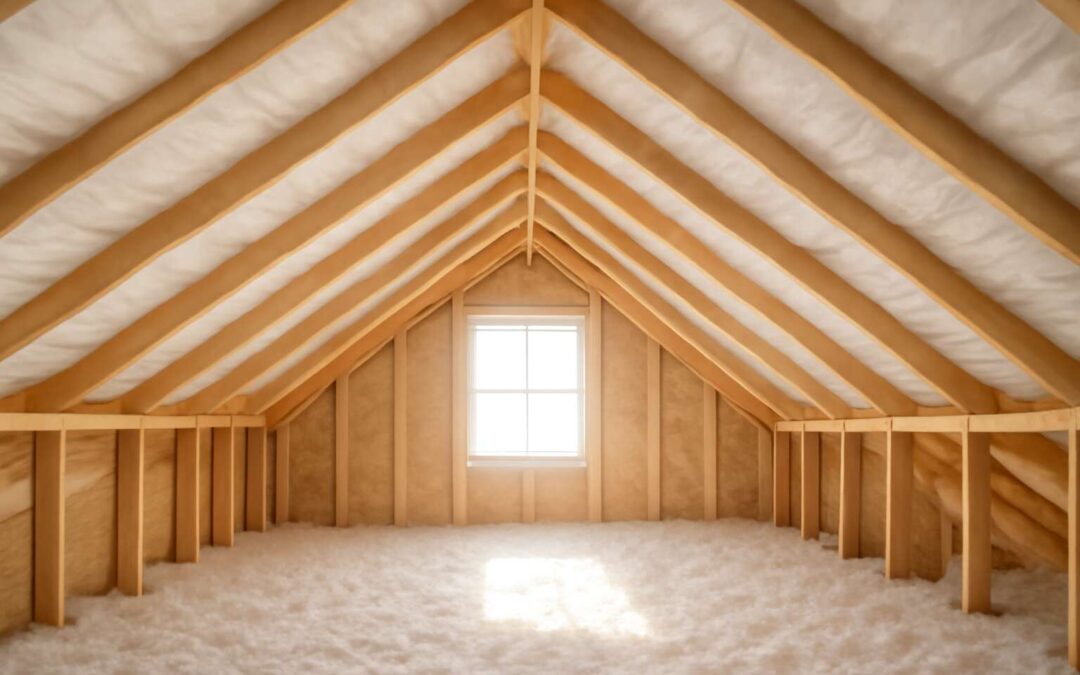
Attic Insulation Baffles: A Practical Guide
Understanding Attic Insulation Baffles
Air travels where heat recedes, and in South Africa’s homes that dance happens above the ceiling line. A seasoned observer once whispered that the roof is the lungs of a house—every gust a breath, every warm day a sigh. With careful design, warmth remains where it belongs.
These ceiling insulation baffles are light, angled barriers that sit among the rafters. They shield insulation from wind washing, helping the attic hold its heat and keep living spaces comfortable. Consider them quiet guardians of energy efficiency.
- Direct airflow away from insulation to prevent wind washing
- Preserve the insulation’s effectiveness in the rafter bay
- Reduce heat loss in winter and heat gain in summer
Placed with care, these magical components blend performance with aesthetics, letting a home feel effortless, not effortful. The result is a steadier climate and a calmer bill, a small lullaby for your living spaces.
Materials and Types
An attic that hums with efficiency is a home’s quiet superhero. In SA households, up to 30% of heat can slip away through an uninsulated roof, turning cozy mornings into an expensive fantasy. The right materials can keep warmth where it belongs.
Materials and types for attic shielding come in a few flavors. The ceiling insulation baffles blend performance with style, keeping insulation in place while letting airflow do its job. I like to think of them as gust-bank guardians, softening drafts without muffling comfort.
- Rigid foam panels (polyiso, polystyrene)
- UV-stable plastic or polymer baffles
- Mineral wool or fiberglass variants
South African homes benefit from lightweight, easy-to-handle designs and robust, long-lasting options. They turn risky gusts into measured airflow and help the roof breathe calmly—nice for energy bills and even nicer for peace of mind.
Installation Best Practices
A roof that pays its own rent—attic warmth matters! In South Africa, up to a third of heat can slip through an uninsulated ceiling, turning evenings into expensive affairs. Ceiling insulation baffles keep the attic breathable while keeping insulation in place, reducing drafts and keeping warmth where it belongs.
Practical considerations for installation include the following:
- Alignment with soffit vents to preserve airflow
- Maintaining clearance between insulation and baffles
- Choosing materials rated for heat and sun exposure
Lightweight, UV-stable plastics or rigid polyiso options offer durable performance in SA homes, supporting a calm roof and steady energy use.
Maintenance, Compatibility, and Performance
That attic secret behind the ceiling can save real money. In SA, up to a third of heat slips through an uninsulated ceiling, turning evenings into an expensive sauna. Ceiling insulation baffles keep the attic breathable while holding insulation in place, so warmth stays put and drafts stay out.
Maintenance with ceiling insulation baffles isn’t a ritual of doom; it’s about steady performance. Consider these high-level factors:
- Airflow compatibility with soffit vents
- Thermal and UV resilience under South African sun
- Long-term performance with common ceiling insulation types
Durable options—lightweight plastics or rigid polyiso—hold up under SA sun, preserving a calm roof and stable energy use. Choose ceiling insulation baffles with heat and sun ratings and a snug fit to maintain performance over time.
Buying Guide and ROI
Across South Africa, up to a third of heat leaks through an uninsulated ceiling, turning winter nights into surprisingly expensive rooms. Attic secrets stay quiet, yet they matter: ceiling insulation baffles keep the attic breathable while warmth stays where it belongs.
When considering options, the payoff lies in durability and sun resilience that work with existing insulation and venting. These choices endure the SA sun and help maintain a calm roof over the long haul.
ROI isn’t only about lower bills; it’s about dependable performance through summer heat and frost. With the right choice, homes feel steadier, quieter, and more inviting—without drama.
In the end, baffles are a quiet partnership between roof and living space, turning roofs into stewards of warmth and comfort through changing seasons.